
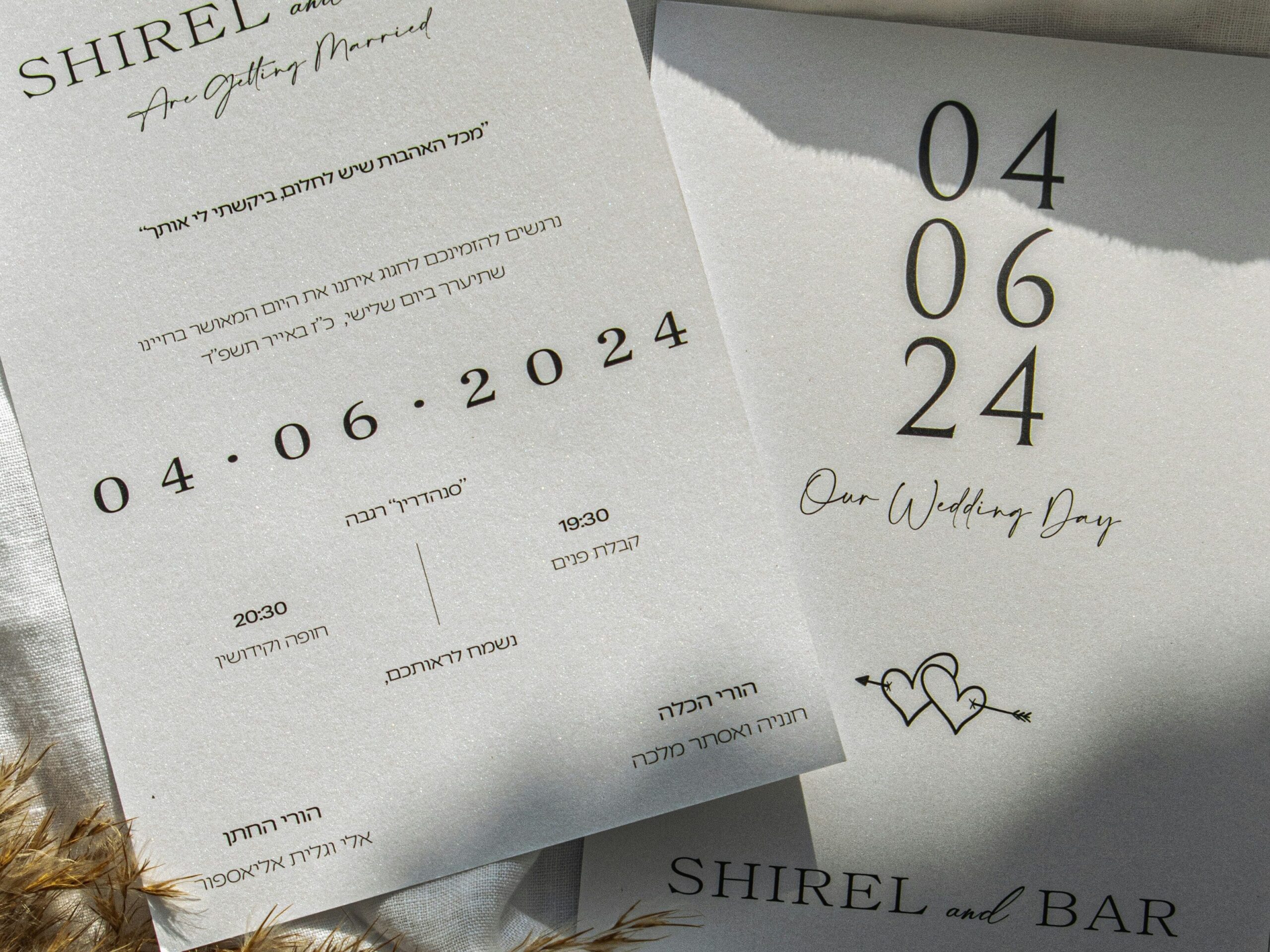
Planning a wedding involves countless moving parts, and one of the earliest steps in the process is letting your guests know when your big day will take place. That’s where save-the-dates come in. These simple but important announcements give your loved ones advance notice so they can mark their calendars, make travel arrangements, and ensure they can be there to celebrate with you. Understanding when to send save-the-dates and what to include can help you stay organized and set the tone for your wedding from the very beginning.
What Are Save-the-Dates?
Save-the-dates are pre-invitations sent to your guest list ahead of your formal wedding invitations. They are not meant to include all the details of your wedding day, but rather to communicate the most essential information: that you’re getting married and when it will happen. Think of them as a heads-up that helps guests plan accordingly—especially important if you’re hosting a destination wedding or getting married during a busy time of year.
These announcements can be as formal or casual as you like. Some couples opt for traditional printed cards, while others choose magnets, postcards, or even digital versions. No matter the format, the goal is the same: to give your guests plenty of time to prepare.
When to Send Save-the-Dates
Timing is one of the most important aspects of sending save-the-dates. Sending them too early can lead to guests forgetting, while sending them too late may not give people enough time to plan.
For local weddings, it’s generally recommended to send save-the-dates about 6 to 8 months before your wedding date. This gives guests enough notice to arrange their schedules without overwhelming them too far in advance.
For destination weddings, the timeline shifts earlier. You’ll want to send save-the-dates 8 to 12 months in advance, or even earlier if your wedding falls during a peak travel season or around holidays. This allows guests time to budget for travel, request time off work, and coordinate accommodations.
If you’re planning a wedding during a particularly busy time—like late spring, summer weekends, or major holiday periods—it’s wise to lean toward the earlier side of these timelines. The more notice you give, the better chance your guests can attend.
Who Should Receive a Save-the-Date?
A key rule to remember is that anyone who receives a save-the-date must also receive a formal wedding invitation. This means you should have your guest list fairly finalized before sending them out.
Start with your immediate family, close friends, and anyone you are certain you want present on your big day. If you’re unsure about inviting certain people, it’s best to hold off on sending them a save-the-date until your list is confirmed. This helps avoid any awkward situations later on.
What to Include on a Save-the-Date
Save-the-dates are meant to be simple and straightforward, but there are a few key pieces of information you should always include:
1. Your Names
Make it clear who is getting married. Whether you use full names, first names, or even nicknames depends on the tone you want to set.
2. The Wedding Date
This is the most important detail. Double-check that your date is correct before sending anything out, as changes after sending save-the-dates can cause confusion.
3. General Location
You don’t need to include the full venue address yet, but you should mention the city and state where the wedding will take place. This helps guests start thinking about travel plans if needed.
4. A Note That a Formal Invitation Will Follow
A simple phrase like “Formal invitation to follow” lets guests know that more detailed information will be sent later.
5. Wedding Website (Optional but Recommended)
If you have a wedding website, this is a great place to include the link. Your site can provide additional details like hotel blocks, travel tips, and updates as your plans develop.
What Not to Include
While it may be tempting to add more information, save-the-dates should remain uncluttered. Avoid including:
- RSVP requests
- Registry details
- Detailed schedules or timelines
- Dress codes
All of that information is better suited for your formal invitations or wedding website.
Choosing a Style
Your save-the-date is often the first glimpse your guests will have of your wedding style, so it’s a great opportunity to set the tone. If you’re planning a formal, elegant event, you might choose a classic card with neutral colors and refined typography. For a more relaxed or playful wedding, you could opt for bright colors, fun fonts, or even a photo of the two of you.
Many couples use engagement photos for their save-the-dates, which adds a personal touch and makes the announcement feel more special. Others prefer minimalist designs that focus on clean, simple text. There’s no right or wrong choice—it all comes down to what feels most like you.
Digital vs. Printed Save-the-Dates
In today’s world, couples have more options than ever when it comes to sending save-the-dates. Printed versions are traditional and tangible, giving guests something they can hold onto or display. Magnets, in particular, are popular because they can easily be placed on a refrigerator as a reminder.
Digital save-the-dates, on the other hand, are cost-effective and quick to send. They’re a great option if you’re working with a tighter budget or timeline. However, they may feel less formal, so consider your overall wedding style before choosing this route.
Some couples even choose a combination—sending printed save-the-dates to close family and digital versions to friends or extended guests.
Addressing and Mailing Tips
Once your save-the-dates are ready, take time to ensure your guest addresses are accurate and formatted correctly. This small step can prevent delivery issues and ensure everyone receives their announcement.
If you’re sending printed cards, consider ordering a few extras in case of mistakes or last-minute additions. It’s also a good idea to keep a list of who has received one, so you can stay organized when it’s time to send invitations.
Final Thoughts
Save-the-dates may seem like a small detail in the grand scheme of wedding planning, but they play an important role in setting everything in motion. They give your guests the time they need to prepare, build excitement for your celebration, and provide the first impression of your wedding style.
By sending them at the right time and including only the essential information, you’ll create a smooth and stress-free experience for both you and your guests. As you move forward with planning, your save-the-dates will serve as the starting point of your wedding journey—one that leads to a day filled with celebration, love, and unforgettable memories.